Quick Enquiry
whatapp icon
phone call

Fab Bath Interiors

Looking For Bulk Orders @ Competitive Prices? Enquiry Now

Download Our Latest Products Catalogue Click Here

info@fabbathinteriors.com

Fabbint

types of toilets

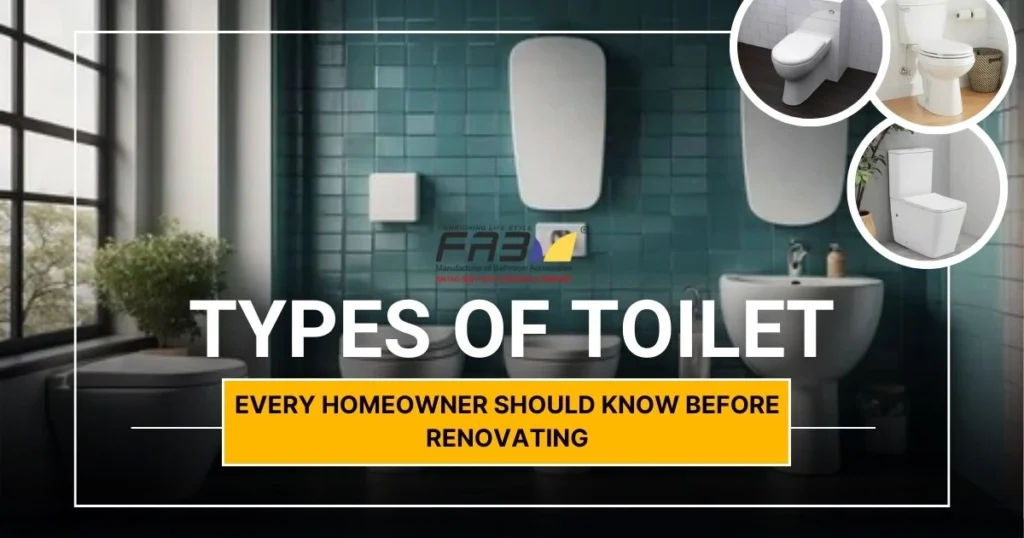
Types of Toilets Every Homeowner Should Know Before Renovating

Renovating a bathroom is not just about tiles and taps. Choosing the right toilet plays a big role in comfort, hygiene, water savings, and long-term maintenance. At Fabbath Interiors, we regularly guide homeowners who feel confused by the many types of toilets available today. This detailed pillar guide is designed to help you make a confident, informed decision before renovating your bathroom. Whether you are upgrading a small apartment or building a luxury home, understanding the different types of toilets will save money, space, and future stress. Why Choosing the Right Toilet Matters A toilet is used multiple times every day. The wrong choice can lead to: With modern innovation, types of toilets have evolved to balance comfort, hygiene, and sustainability. At Fabbath Interiors, we believe informed choices lead to better living. Key Factors to Consider Before Selecting a Toilet Before exploring the different types of toilets, ask yourself: These factors help narrow down the best type of toilet for your home. Types of Toilets Based on Installation Floor-Mounted Toilets This is the most common option in Indian homes. Features: Best for:Traditional homes, rental properties, and easy maintenance At Fabbath Interiors, floor-mounted toilets are often recommended for durability and budget-friendly renovations. Wall-Hung Toilets A popular choice in modern and luxury bathrooms. Features: Pros: Cons: This is one of the types of toilets preferred for contemporary homes. Types of Toilets Based on Flushing System Single Flush Toilets Uses the same amount of water every time. Pros: Cons: Dual Flush Toilets Uses two flush options for liquid and solid waste. Benefits: According to 2024 water conservation reports, dual flush systems are now the global standard. Fabbath Interiors strongly recommends this among modern different types of toilets. Types of Toilets Based on Design & Usage Western Toilets Also known as sitting toilets. Best for: Western models dominate the best type of toilet category for comfort. Indian (Squatting) Toilets Still preferred in many homes for cultural and health reasons. Benefits: However, they may not suit everyone. Smart Toilets An emerging trend in 2025 bathroom design. Features include: These advanced types of toilets are becoming popular in luxury homes designed by Fabbath Interiors. You May Also Like This: Bathtub Drain Stopper Types Types of Toilet Seats Explained Choosing the right seat improves comfort and hygiene. Common Types of Toilet Seats Understanding types of toilet seats helps you match comfort with functionality. Different Types of Toilet Seats by Material Homeowners often ignore this step, but different types of toilet seats significantly affect daily comfort. Water Efficiency & Latest Toilet Trends (2025 Update) Latest Trends Government data (2024–2025) highlights that water-efficient types of toilets can reduce household water use by up to 30%. At Fabbath Interiors, we update recommendations every 6–12 months to match global standards. Comparison: Which Toilet Is Right for You? Feature Floor-Mounted Wall-Hung Smart Toilet Cost Low Medium High Maintenance Easy Moderate High Design Classic Modern Luxury Water Saving Medium High Very High This table helps you identify the best type of toilet based on your needs. Expert Tips from Fabbath Interiors As bathroom specialists with years of renovation experience: These insights come from real renovation projects handled by Fabbath Interiors across residential and commercial spaces. FAQs Q1. Which is the best type of toilet for Indian homes? Ans. Western dual-flush toilets are currently the most practical and popular choice. Q2. Are wall-hung toilets durable? Ans. Yes. When installed correctly, they support up to 400 kg. Q3. How often should toilets be updated? Ans. Every 10–15 years or during major renovations. Q4. Do different types of toilet seats fit all toilets? Ans. No. Always match seat size and shape to the toilet model. Conclusion Choosing among the many types of toilets is not just a design decision—it is a lifestyle choice. From water savings to comfort and hygiene, the right toilet improves daily life. At Fabbath Interiors, we believe every homeowner deserves expert guidance, honest advice, and future-ready solutions. Whether you prefer classic designs or smart innovations, understanding the different types of toilets helps you invest wisely.If you are planning a renovation, consult professionals who understand both function and style—because the best type of toilet is the one that truly fits your home. Follow us:- Facebook , Instagram

Types of Toilets Every Homeowner Should Know Before Renovating Read More »

bathtub drain stopper

Top Bathtub Drain Stopper Types That Make Cleaning Faster and Easier!

When it comes to keeping your bathroom clean and clutter-free, your drain system plays a bigger role than you think. At Fabbath Interiors, we help homeowners choose smart, functional, and low-maintenance fixtures. One of the most overlooked yet essential components is your drain stopper. The right bathtub drain stopper types can make cleaning faster, reduce clogging, and upgrade your bath experience. This guide gives you an expert-backed breakdown of all stopper types, how they work, and which one is perfect for your bathroom. What Is a Bathtub Drain Stopper? A bathtub drain stopper blocks or releases water in the tub. It lets you fill the tub, drain water safely, prevent debris from entering, and reduce clog-related maintenance. Most people ignore it—until they face slow drainage, hair blockages, or complicated cleaning. Why Choosing the Right Stopper Matters A good stopper isn’t just about filling the tub. It affects: For homeowners upgrading or renovating their bathrooms with Fabbath Interiors, selecting the correct stopper improves long-term hygiene, function, and convenience. Top Bathtub Drain Stopper Types That Make Cleaning Easier Below is an expert breakdown of the most common and modern bathtub drain stopper types and how they perform. 1. Push-Pull Drain Stopper How It Works – You push it down to close the drain and pull it up to open. Pros Cons Best For – Families who want a low-maintenance tub drain stopper. 2. Toe-Touch Stopper (Toe-Tap) How It Works – Press it with your toe—tap once to close and tap again to open. Pros Cons Best For – Minimalist bathrooms styled by Fabbath Interiors. 3. Lift-and-Turn Stopper How It Works – Twist the stopper to open or close the drain. Pros Cons Best For – Budget-friendly installations. 4. Trip Lever Stopper How It Works – A lever on the overflow plate opens or closes the drain. The internal spring/rod mechanism controls the stopper. Pros Cons Best For – Built-in bathtubs with traditional designs. 5. Pop-Up Drain Stopper How It Works – Press down once to close; press again to pop it open. Pros Cons Best For – Modern and premium bathroom setups by Fabbath Interiors. 6. Flip-It Stopper How It Works – A side lever flips the stopper open or closed—no tools or screws needed. Pros Cons Best For – Temporary setups. 7. Rubber Drain Plug / Plunger Stopper How It Works – A simple rubber plug that seals the drain. Pros Cons Best For – Utility bathtubs or traditional homes. 8. Grid Drain Stopper How It Works – A fixed grate on the drain that prevents large debris from entering. It does not hold water. Pros Cons Best For – Walk-in tubs, hotel bathrooms, or high-usage areas. You May Also Like This: Bathtub vs Jacuzzi Comparison Table: Best Bathtub Drain Stopper Types Stopper Type Ease of Cleaning Durability Good for Soaking? Maintenance Level Push-Pull Medium High Yes Low Toe-Touch High Medium Yes Low Lift-and-Turn Medium High Yes Medium Trip Lever Low Medium Yes High Pop-Up High Medium Yes Medium Flip-It High High Yes Low Rubber Plug High Medium Yes Very Low Grid Drain Very High Very High No Very Low Latest Trends & Updates (2025) (Updated January 2025 – next update due July 2025) How to Choose the Best Stopper for Your Bathroom Consider these factors: 1. Ease of Cleaning – If you want less scrubbing → choose pop-up or toe-touch. 2. Bathroom Style – For premium interiors → choose push-pull or pop-up. 3. Budget – For affordable installs → lift-and-turn or rubber plug. 4. Maintenance Preference – For zero-maintenance → grid drain or flip-it. 5. Who Will Use the Tub? – Kids/elderly → hands-free toe-touch is the safest. At Fabbath Interiors, we help homeowners match their stopper choice with style, convenience, and plumbing compatibility. How Fabbath Interiors Helps You Choose the Right Stopper With years of bathroom renovation experience, Fabbath Interiors guides homeowners through fixture selection based on: Our experts ensure you choose a bathtub drain stopper that makes cleaning faster and enhances your overall bath experience. FAQs 1. Which bathtub drain stopper is easiest to clean? Ans. Pop-up, flip-it, and toe-touch stoppers are the easiest. 2. What is the most durable drain stopper? Ans. Push-pull and flip-it types last the longest. 3. How often should I clean my tub drain stopper? Ans. Every 2–4 weeks to avoid buildup. 4. Can I install a stopper myself? Ans. Rubber plugs, flip-it, and some push-pull models are DIY-friendly. 5. Which stopper is best for modern bathrooms? Ans. Pop-up and toe-touch are the top choices for stylish interiors. Conclusion Choosing the right bathtub drain stopper types can transform your bathroom experience. From easy cleaning to better drainage and long-term reliability, the right stopper saves time and reduces stress. Whether you prefer something modern like a pop-up or minimalistic like a toe-touch, Fabbath Interiors can guide you to the perfect match for your home. Upgrade smart. Choose comfort. Keep your bathroom fresh and easy to clean. Follow us:- Facebook , Instagram

Top Bathtub Drain Stopper Types That Make Cleaning Faster and Easier! Read More »

bathtub vs jacuzzi

Bathtub vs Jacuzzi: Which One Truly Transforms Your Home Spa Experience?

Table of Contents Bathtub vs Jacuzzi: Which One Truly Transforms Your Home Spa Experience? Creating a spa-like bathroom is a dream for many homeowners. But before you invest, one question usually comes up: Bathtub vs Jacuzzi – which is better for comfort, health benefits, and real home value? At Fabbath Interiors, we help homeowners understand the real jacuzzi bath vs bathtub difference so they can choose the fixture that truly matches their lifestyle and comfort needs. Whether you want a simple soaking setup or a complete spa-like wellness upgrade, our experts guide you with clarity, design insights, and practical solutions.  What Is a Bathtub? A bathtub is a simple bathing fixture made for soaking, cleaning, and relaxation. It comes in different materials like acrylic, ceramic, stone, and cast iron. Common Features Best For You May Also Like: Tap vs. Faucet What Is a Jacuzzi? A Jacuzzi is a premium whirlpool bath with water jets, air bubbles, and hydrotherapy features. While many people use “Jacuzzi” as a general name, it is actually a brand that popularized whirlpool systems. Common Features Best For Jacuzzi vs Bathtub Difference: Key Features Explained Feature Jacuzzi Bathtub Purpose Spa-level hydromassage Basic soaking bath Cost High-end luxury Budget-friendly Maintenance Moderate–High Low Installation Requires plumbing + electrical Easy Space Needs larger area Fits small bathrooms Health Benefits Deep muscle therapy Relaxation Water Usage High Moderate This breakdown makes the bathtub vs Jacuzzi decision easier depending on your lifestyle and home design needs. Detailed Comparison – Bathtub vs Jacuzzi 1. Cost Comparison Bathtub (Standard): ₹10,000 – ₹60,000Jacuzzi: ₹80,000 – ₹3,50,000+ Verdict: If you want a budget-friendly choice, a bathtub wins. For a premium spa feel, a Jacuzzi is worth the investment. 2. Installation Requirements Bathtubs Jacuzzis Verdict: For quick upgrades, choose a bathtub. For luxurious renovations, choose a Jacuzzi. 3. Maintenance & Cleaning Bathtubs are easy to clean with basic cleaners. Jacuzzis require: Verdict: Bathtubs are low-maintenance. Jacuzzis need care but offer more comfort. 4. Comfort & Relaxation Experience A bathtub offers simple soaking. A Jacuzzi offers: Verdict: If relaxation is your main goal, a Jacuzzi transforms the experience. 5. Space Requirements Bathtub: Fits in small bathrooms (5×8 ft).Jacuzzi: Needs larger areas (8×10 ft and above). Verdict: If space is limited, a bathtub is practical. 6. Health Benefits Bathtub Benefits: Jacuzzi Benefits: Verdict: For therapeutic benefits, Jacuzzi wins clearly. 7. Water & Electricity Usage Jacuzzis use more water due to size and jet functionality.They also consume power for pumps and heaters. Verdict: Bathtubs are more energy-efficient. Latest 2025 Trends in Home Spa Design Bathroom design trends for 2025 show that homeowners now prefer wellness-focused interiors. Based on a 2024–25 industry report: At Fabbath Interiors, we also noticed a strong rise in demand for: Which One Should You Choose? (Expert Buyer’s Guide) Choose a Bathtub If You Want: Choose a Jacuzzi If You Want: Real-Life Scenario Comparison Scenario 1: Small Apartment Bathroom Best Choice: BathtubReason: Fits perfectly, easy to clean, affordable. Scenario 2: Luxury Villa or Modern Home Best Choice: JacuzziReason: Enhances lifestyle, adds property value, supports wellness. Scenario 3: Elderly or Physically Active Family Members Best Choice: JacuzziReason: Jets help with stiffness, pain, and recovery. Scenario 4: Tight Budget Renovation Best Choice: Bathtub Expert Insights from Fabbath Interiors At Fabbath Interiors, we have designed hundreds of spa-style bathrooms. Our design experts recommend: Our team always focuses on: If you are planning a home spa upgrade, Fabbath Interiors can help you choose the right fixture based on your layout, lifestyle, and budget. FAQs – Bathtub vs Jacuzzi 1. Is a Jacuzzi better than a bathtub? Ans. For luxury, pain relief, and spa experience—yes. For budget and space—bathtub is better. 2. Can I install a Jacuzzi in a small bathroom? Ans. Not recommended. Jacuzzis need larger space and strong support. 3. Do Jacuzzis consume a lot of electricity? Ans. They do consume more power due to jets and heaters, but modern models are energy-efficient. 4. Are Jacuzzis safe for kids? Ans. Yes, but only under adult supervision and at safe temperature settings. 5. Which is more durable: jacuzzi vs bath tub? Ans. Both can last 10–20 years depending on quality, usage, and maintenance. Conclusion When comparing bathtub vs Jacuzzi, your choice depends on space, budget, lifestyle, and health needs. A bathtub is simple, affordable, and practical. A Jacuzzi offers deep relaxation, hydrotherapy, and a luxury spa feel.If you want expert guidance, modern designs, and high-quality installations, Fabbath Interiors is here to help you transform your bathroom into a peaceful home spa. Follow us:- Facebook , Instagram

Bathtub vs Jacuzzi: Which One Truly Transforms Your Home Spa Experience? Read More »

tap vs faucet

Tap vs. Faucet: A Fascinating Breakdown of Culture, Language, and Everyday Life

Discover the cultural, linguistic, and practical differences between tap vs faucet as they shape how we live—brought to you by Fabbath Interiors. Table of Contents Introduction Imagine walking into a bathroom renovation showroom, like Fabbath Interiors, and hearing both “tap” and “faucet” tossed around. Are they the same thing, or do they mean different things across cultures and languages? Whether you’re an interior designer, a curious homeowner, or a global traveler, understanding these terms matters for smart choices and stylish spaces. Let’s dive into the fascinating world of tap vs faucet—the difference, why it matters, and how it impacts everyday life. Tap vs. Faucet: What’s the Real Difference? At first glance, “tap” and “faucet” seem interchangeable. But dig deeper, and distinct meanings emerge: In technical terms: Language, Culture, and Everyday Life How does this simple difference shape your life? Latest Trends: Taps and Faucets in 2025 Curious about what’s hot in home and commercial spaces this year? Here’s what’s shaping the world of taps and faucets: Fabbath Interiors stays updated with these trends, helping you make choices that blend style, sustainability, and practicality. Design, Functionality & Usage Understanding the design and functionality can help users make informed decisions in renovations and purchases: Tap vs Faucet Feature Comparison Here’s a handy comparison so you can quickly see the faucet tap difference: Feature Tap (UK/Aus/Commonwealth) Faucet (US/Canada) Typical Usage Everyday homes, old plumbing systems Modern kitchens, bathrooms Handles Often twin handles Single/twin/lever & sensor Tech Advancements Mostly manual, growing sensor segment High in smart tech Cultural Context UK, Australia, India, Asia-Pacific North America, parts of Europe Search Term Popularity High in summer in Asia-Pacific High in winter/modular homes Tap vs Faucet Market and Trend Statistics (2024-2025) Market Stats (2024-2025) Taps Faucets Global Market (2025) $1.6B (growing at 7.8%) $18.6B (growing at 3.6%) Smart/Automatic Share (India 2024) 8.17% CAGR 7.56% CAGR Touchless Adoption (Hotels, Jaipur) Water use cut by 28% Sensor tech dominates Tap vs Faucet Terminology and Regional Usage Differences Terminology Origin Tap Faucet Etymology Old English, “plug for barrel” Latin/Old French, evolved with plumbing Common Usage UK, India, Australia US, Canada Language in Manuals/Shopping Essential for product search Vital for design, renovation, and contracts FAQ Q1: What is the difference between tap and faucet?A tap is the usual British English term for a water outlet, while faucet is standard in American and Canadian English. Q2: Which word should I use—tap or faucet?Ans. Use “tap” if you’re in the UK, Asia-Pacific, or Australia. Choose “faucet” in North America and for online product searches involving smart tech and modern fixtures. Q3: Are smart taps and faucets trending in 2025?Ans. Yes. Sensor-activated taps and faucets are seeing rapid growth, especially for hygiene and energy-saving. Q4: What is the difference between faucet and tap in design?Ans. Faucets can offer more advanced designs—sensor, lever, and boiling water models—while taps typically use manual handles and basic flow control. Q5: Is there a faucet vs tap difference in durability or style?Ans. Modern faucets lean toward innovative finishes and smart features. Taps are traditionally robust and simple, but many new models embrace sustainable materials and updated aesthetics. Bonus Insight: Under Counter Wash Basin Hacks Looking to maximize space and elegance in your bathroom? Don’t miss Fabbath Interiors’ guide on Under Counter Wash Basin Hacks—where practical tips meet modern design. Discover how the right basin and tap/faucet combo can transform small bathrooms, making them look bigger and more functional. Conclusion Whether you say “tap” or “faucet,” you’re drawing from centuries of culture, language, and innovation. These simple fixtures reflect societal evolution, technological leaps, and regional uniqueness. Fabbath Interiors believes that understanding the tap vs faucet difference isn’t just about picking hardware—it’s about making everyday life smarter, more stylish, and perfectly suited to your space. Next time you shop, renovate, or read a catalog, you’ll speak the language of both worlds. Both taps and faucets power our homes and public places with style, efficiency, and meaning. Follow us:- Facebook , Instagram

Tap vs. Faucet: A Fascinating Breakdown of Culture, Language, and Everyday Life Read More »

Make Bathroom Look 5x Bigger: Under Counter Wash Basin Hacks

Make Your Bathroom Look 5× Bigger with These Under Counter Wash Basin Hacks

Table of Contents Introduction In today’s urban homes, space is often limited but creativity in design can transform your bathroom into a spacious, luxurious retreat. Fabbath Interiors highlights the power of the under counter wash basin to expand your bathroom visually, making it look up to five times bigger. These smart basins combine style and functionality, offering a sleek, clean look suited for modern living. Why Space Optimization Matters in Modern Bathrooms Bathrooms are expected to be both practical and calming, but many homes feature small spaces. Modern design prioritizes opening up these compact areas, maximizing every inch. Installing an under counter wash basin is a proven way to optimize space by freeing up countertop area and reducing visual clutter—all key factors in making a bathroom feel larger. What Is an Under Counter Wash Basin? An under counter wash basin (also known as an undermount wash basin or under counter top basin) is installed beneath the countertop so that the rim remains hidden and the surface looks seamless. Instead of sitting on top, the basin is mounted below the counter, creating a smooth transition from countertop to basin. Benefits of Under Counter Wash Basins Fabbath Interiors recommends under counter wash basins because they: Bathroom Size Illusions: Psychological and Design Insights Design plays a huge role in how spacious a bathroom feels. Key effects of under counter wash basins include: You May Also Like This: Toilet Direction as per Vastu: Do’s and Don’ts for a Healthy and Happy Home Top Under Counter Wash Basin Hacks for a Bigger-Looking Bathroom Elevate your bathroom space with these expert hacks from Fabbath Interiors: 1. Extend The Countertop Run your countertop wall-to-wall, even over open storage, to elongate the space. 2. Use Light-Colored & Reflective Surfaces Choose pastel, white, or glossy materials to reflect light and brighten the room. 3. Add Drawers Below the Counter Swap open shelves with drawers for a neat, uninterrupted look. 4. Install a Large Mirror with Integrated Lighting A backlit mirror above your under counter wash basin doubles perceived space. 5. Opt for Wall-Mounted Faucets Wall-mounting your faucets frees up counter space and reduces clutter. 6. Choose Minimal Accessories Use built-in dispensers and limit countertop items to keep the space clean. 7. Conceal Drain and Pipework Hidden plumbing streamlines appearance and adds to the minimalist vibe. 8. Invest in Smart Storage Floating vanities or pull-out drawers below the basin optimize every inch. Best Countertop and Undermount Combinations Countertop materials that complement under counter wash basins include: Material Finish Visual Effect Ideal For Quartz Glossy Reflects light Modern small spaces Granite Polished Luxurious, seamless Elegant designs Solid Surface Matte/Satin Minimal, sleek Minimalist styles Laminates High Gloss Affordable, bright Budget makeovers Maintenance, Durability, and Cleaning Tips Maintain your under counter wash basin by: Current Design Trends and Stats (2025) Fabbath Interiors’ Design Recommendations Fabbath Interiors advises: Table: Quick Tips & Features Comparison Feature Space Impact Suitability Difficulty Under counter basin Maximizes Small & large spaces Moderate Wall-mounted faucet Frees counter Modern designs Easy Extended countertop Adds length Narrow bathrooms Easy-Moderate Large mirrors Doubles space Any size bathroom Easy Floating vanity Expands floor Contemporary styles Moderate Table: Under Counter vs Over Counter Basins Aspect Under Counter Basin Over Counter Basin Cleaning Easier (no rim edges) More effort Countertop space More usable Less usable Installation Moderate complexity Easier Visual continuity Seamless Visible rim interrupts Cost Stable Variable, sometimes higher Durability Stable Durable if installed well FAQs Q1: Is installation of an under counter wash basin difficult?A1: Slightly more complex than top-mount but the clean look justifies professional installation. Q2: How often to check sealants?A2: Every six months to prevent leaks. Q3: Can storage be added below the basin?A3: Yes—floating vanities and drawers are ideal. Q4: Best lighting near the wash basin?A4: Large backlit mirrors brighten and enlarge space perception. Q5: Does Vastu influence basin placement?A5: Yes—Fabbath Interiors also offers insights on Toilet Directions as per Vastu. Conclusion Under counter wash basin hacks can make a compact bathroom feel spacious, modern, and inviting. Fabbath Interiors recommends these solutions to improve usability, cleanliness, and aesthetics, making your bathroom appear five times bigger. Utilizing smart materials, innovative storage, and elegant design transforms your space into a personalized haven. Transform your bathroom today with Fabbath Interiors and experience elegance and space like never before. Follow us:- Facebook , Instagram

Make Your Bathroom Look 5× Bigger with These Under Counter Wash Basin Hacks Read More »

toilet direction as per vastu

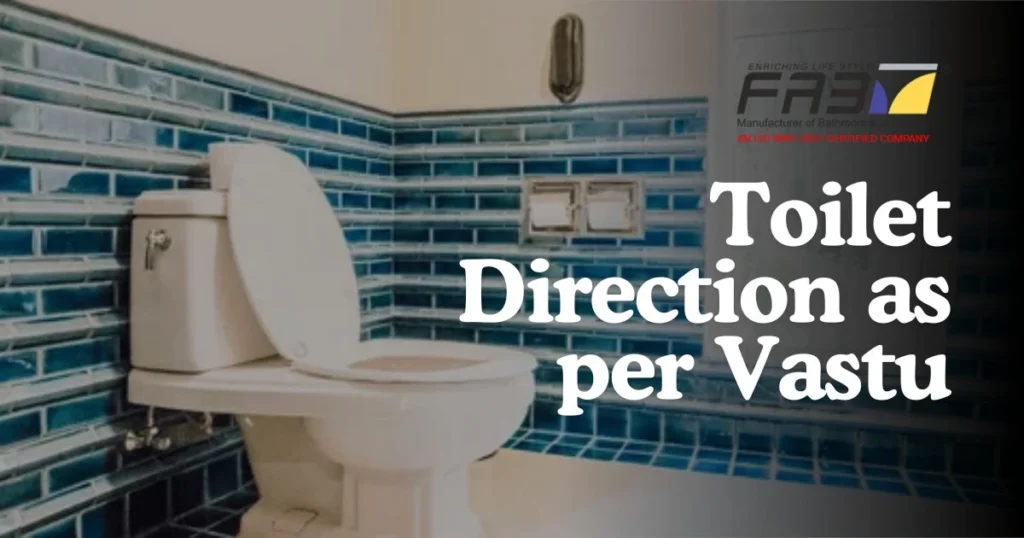
Toilet Direction as per Vastu: Do’s and Don’ts for a Healthy and Happy Home

Table of Contents Introduction: Why Vastu Shastra Matters in Modern Homes In India, Vastu Shastra is not just a traditional belief—it’s a science of energy balance that promotes health, peace, and prosperity in your home. From your kitchen to your bedroom, every corner of your house influences your well-being. One of the most overlooked areas is the toilet direction as per Vastu, which plays a major role in maintaining harmony and hygiene. At Fabbath Interiors, we understand that a beautiful home is more than just great design—it’s about balanced energy and mindful planning. That’s why following the right toilet direction as per Vastu is essential for a happy, healthy, and positive living environment. Understanding the Importance of Toilet Direction as per Vastu Vastu Shastra believes that the five elements—Earth, Water, Fire, Air, and Space—must be in balance. A wrongly placed toilet can disturb this balance, leading to negative energy, health problems, and financial stress. According to experts, toilets represent the discharge of waste energy, both physical and mental. When placed in the wrong direction, this energy can impact your home’s positive flow. Hence, understanding according to Vastu where should be the toilet is the first step toward a peaceful home. Key Reasons Why Toilet Placement Matters Best Direction for Toilet as per Vastu: Explained Here’s a quick reference table that shows the best and worst directions for toilets according to Vastu: Direction Vastu Effect Recommendation Northwest (Vayavya) Ideal Best direction for toilet as per Vastu Southeast (Agneya) Acceptable with remedies Use only if necessary Northeast (Ishanya) Inauspicious Avoid strictly Southwest (Nairutya) Inauspicious Can bring financial and health issues East or North Neutral Acceptable if design follows remedies When planning your home layout, according to Vastu toilet should be in which direction becomes vital. The Northwest direction is considered most suitable because it helps drain out waste energy without disturbing the balance of natural elements. Positioning Inside the Toilet Room Toilet Component Ideal Vastu Direction Avoid Directions Toilet Seat West or Northwest (facing North or South) Facing East or West Wash Basin Northeast or North Southwest Shower Area East or North South Mirror North or East wall West wall These arrangements ensure energy flow remains smooth and positive inside your bathroom. Do’s and Don’ts for Direction for Toilet as per Vastu Do’s Don’ts By following these Vastu do’s and don’ts, you ensure that your bathroom aligns with positive cosmic energy. You May Also Like – The Do’s And Don’ts Of Maintaining Your Mortise Handles Vastu Remedies for Incorrect Toilet Direction Sometimes, structural limitations make it hard to change the toilet’s position. In that case, Vastu remedies can help balance the negative effects. Problem Area Vastu Remedy Toilet in Northeast Place a Vastu pyramid and keep a bowl of sea salt. Toilet in Southwest Keep yellow or brown tiles and use aroma diffusers. Toilet in Southeast Use light green or cream paint. Toilet under staircase Place a copper vastu strip on the floor. Fabbath Interiors recommends subtle design-based corrections—like wall colors, plants, and direction-friendly décor—to harmonize your space without major renovation. Common Toilet Vastu Mistakes and How to Fix Them Even well-designed homes can have Vastu doshas due to small placement errors. Here are common mistakes to avoid: These small changes, guided by Fabbath Interiors, can turn your toilet from a negative zone to a balanced one. Expert Design Tips from Fabbath Interiors At Fabbath Interiors, our designers integrate toilet direction as per Vastu principles with modern aesthetics. Here’s how we create harmony between beauty and balance: When you design your bathroom with Fabbath Interiors, you don’t just get style—you get spiritual balance and comfort. FAQs on Toilet Direction as per Vastu Q1. According to Vastu toilet should be in which direction? → The ideal direction is Northwest (Vayavya). If not possible, Southeast is a secondary option. Q2. Is it okay to build a toilet in the Northeast corner? → No, the Northeast is sacred and associated with divine energy. It should be avoided completely. Q3. What is the best direction for toilet as per Vastu for attached bathrooms? → In an attached setup, place the toilet in the West or Northwest part of the bedroom. Q4. Can we have a toilet under stairs? → It’s not recommended, as it may cause health and financial issues. Try remedies like copper strips or pyramids if unavoidable. Q5. How can I fix a wrongly placed toilet without reconstruction? → Use Vastu colors, sea salt bowls, Vastu pyramids, or consult experts at Fabbath Interiors for personalized remedies. Conclusion Toilets may seem insignificant, but according to Vastu Shastra, their direction directly affects your home’s energy flow and prosperity. Following the correct toilet direction as per Vastu ensures a healthy and harmonious living environment. From choosing the best direction for toilet as per Vastu to applying simple design remedies, every detail matters. At Fabbath Interiors, we blend modern bathroom designs with ancient Vastu principles—creating homes that radiate beauty, comfort, and positive energy.If you’re planning to remodel or build your dream home, consult Fabbath Interiors for expert Vastu-compliant interior design today! Follow us:- Facebook , Instagram

Toilet Direction as per Vastu: Do’s and Don’ts for a Healthy and Happy Home Read More »

Dos And Donts Of Maintaining Your Mortise Handles

The Dos And Don’ts Of Maintaining Your Mortise Handles

Your door handle does more than just open doors it’s a statement of style, durability, and safety. Mortise handles, in particular, blend timeless design with robust functionality. Yet, without proper maintenance, even the finest handle can lose its charm and performance. In this detailed guide by Fab Bath Interiors, we’ll walk you through the dos and don’ts of maintaining your mortise handles to help extend their life and preserve their elegance. Whether you own a luxury villa or a cozy apartment, maintaining mortise handles correctly ensures smooth operation, prevents corrosion, and keeps your interiors looking pristine. This article is packed with practical advice, modern maintenance techniques, and expert insights aligned with the latest 2025-2026 home care trends. Understanding Mortise Handles A mortise handle is part of a lock system that fits into a pocket (the “mortise”) within the door. Unlike simple latch handles, Mortise Handles offer enhanced durability, security, and style. They’re popular in both residential and commercial spaces due to: However, improper handling, cleaning, or installation can cause misalignment, stiffness, or early wear. That’s why understanding the dos and don’ts of maintaining mortise handles is crucial for every homeowner. Why Proper Maintenance Is Essential Maintaining mortise handles isn’t just about looks—it’s about longevity and functionality. Without care, dust, grime, and moisture can damage internal components and affect performance. According to a 2025 Home Hardware Maintenance Report, over 68% of door handle malfunctions occur due to neglect or improper cleaning. Proper care ensures: At Fab Bath Interiors, we’ve seen clients extend the lifespan of their mortise handles by up to 40% longer through simple routine care. The Dos Of Maintaining Your Mortise Handles Do Clean Regularly: Regular cleaning keeps your handles shining and functioning well. Use a soft microfiber cloth to wipe the surface gently, removing fingerprints, dust, and moisture. For deeper cleaning, use a mild soap solution. Avoid excess water—it can seep into the mechanism. Tip: Clean at least once a week in humid regions to prevent tarnishing. Do Use The Right Cleaning Products: Always use pH-neutral cleaners. Acidic or ammonia-based products can corrode the finish. For stainless steel or brass handles, specialized metal polish adds an extra layer of protection. Finish Type Recommended Cleaner Frequency Brass Mild brass polish Monthly Chrome Soapy water + soft cloth Weekly Matte Black Dry cloth only Weekly Do Lubricate The Lock Mechanism: A dry lock can cause friction and stiffness. Apply graphite powder or a silicone-based lubricant every 3–4 months. Avoid oil-based lubricants—they attract dust. How-To: This ensures smooth functioning and longer life. Do Tighten Loose Screws: Loose screws can cause wobbling or misalignment. Every few months, check all visible screws and tighten them gently. Use the correct screwdriver size to avoid damaging the slot. Do Check For Rust Or Corrosion: In coastal or humid areas, corrosion is a common issue. Inspect joints and edges every few weeks. If rust appears, remove it immediately with a soft brush and apply an anti-rust coating. The Don’ts Of Maintaining Your Mortise Handles Don’t Use Harsh Chemicals: Bleach, acetone, or alcohol-based cleaners strip the finish and weaken the metal. Stick to mild solutions only. Don’t Ignore Minor Damage: A small scratch today can become a bigger issue tomorrow. Address dents or finish chips early using appropriate repair kits. Don’t Over-Tighten Screws: Over-tightening can crack the plate or deform the handle. Turn screws gently until snug. Don’t Force The Handle: If the handle feels stiff, never apply extra pressure. It may misalign the latch. Lubricate instead or call a professional from Fab Bath Interiors for repair. Don’t Forget Professional Servicing: Annual professional inspection ensures the lock’s internal components stay aligned and lubricated. Experts can spot hidden wear before it becomes costly damage. Common Mistakes People Make With Mortise Handles Mistake Result Solution Using rough cloths Scratches Use microfiber Spraying cleaner directly Water ingress Spray on cloth first Ignoring rust Corrosion Apply anti-rust coating Expert Maintenance Routine (Step-by-Step) Latest Trends & Innovations In Handle Maintenance As of 2025, smart mortise handles are gaining traction—featuring self-lubricating parts and anti-corrosive nano-coatings. Eco-friendly handle materials like recycled brass are also trending for sustainability. Fab Bath Interiors recommends choosing finishes with advanced PVD coatings, which resist tarnish up to 3x longer than traditional finishes. How Fabbathinteriors Can Help You From supplying premium mortise handles to offering aftercare solutions, Fab Bath Interiors is your go-to expert. Our team provides installation, cleaning kits, and maintenance support tailored to your home’s aesthetic and climate. Conclusion Proper handle care isn’t complicated—it just requires consistency. Follow these dos and don’ts of maintaining your mortise handles to protect your investment and keep your interiors looking elegant. Remember, the beauty of a home lies in its details, and mortise handles are one of those fine details that deserve your attention. Visit Fab Bath Interiors today to explore premium handle collections and get expert maintenance support for your home. FAQs Q1: How often should I clean my mortise handles?At least once a week for regular use, more often in humid or coastal regions. Q2: Can I use WD-40 on mortise handles?No. Use graphite powder or silicone-based lubricants instead to avoid residue buildup. Q3: How do I remove rust from a handle?Use fine steel wool with a mild cleaner, then apply a rust-resistant coating. Q4: When should I replace my mortise handles?Every 7–10 years or when mechanisms loosen beyond repair. Q5: Do Fabbathinteriors provide servicing?Yes, they offer comprehensive installation and maintenance packages across India.

The Dos And Don’ts Of Maintaining Your Mortise Handles Read More »

types of basin

Types of Basin You Should Know Before Designing Your Bathroom

Are you searching for the best types of basin to transform your bathroom? Fabbath Interiors brings you a thorough guide on different types of wash basins, ensuring your next bathroom project stands out with style and function. Table of Contents Introduction: Why Knowing Types of Basin Matters Choosing the right basin is the first step in any successful bathroom design. Homeowners often search for “types of basin,” “different types of wash basin,” and “types of washbasins” to match their design vision and daily needs. The basin you pick influences function, style, and even the value of your home. At Fabbath Interiors, we believe a well-informed choice leads to a lasting, elegant bathroom that fits your lifestyle perfectly. Whether you are renovating, building, or refreshing your bathroom, this guide covers all you need to know about types of basin — from classic pedestal models to the newest countertop innovations. Main Types of Basin for Modern Bathrooms Countertop Basin What is it ?A countertop basin, often called a vessel basin, sits above the countertop. It makes a bold design statement and is easy to install. Best for:Modern bathrooms, powder rooms, and spaces where style is a priority. Benefits: Wall-Mounted Basin What is it ?A wall-mounted (or wall-hung) basin is fixed directly to the wall, saving floor space. Best for:Small bathrooms, minimalist spaces, and accessible layouts. Benefits: Pedestal Basin What is it ?A pedestal basin features a sink mounted atop a column or pedestal. This classic choice hides plumbing and suits most interiors. Best for:Traditional bathrooms, guest baths, and places prioritizing symmetry. Benefits: Semi-Recessed Basin What is it ?A semi-recessed basin is partially embedded into the vanity unit or counter, with the front section sticking out. Best for:Bathrooms where counter space is limited, but extra storage is needed under the sink. Benefits: Under-Counter Basin What is it ?This basin is fitted completely beneath the counter. Only the rim is visible from above. Best for:Contemporary bathrooms seeking seamless lines and easy cleaning. Benefits: Corner Basin What is it ?Corner basins fit snugly into a corner and maximize tight spaces, often used in cloakrooms or half-baths. Best for:Very small bathrooms, cloakrooms, and powder rooms. Benefits: Washplane Basin What is it ?A washplane basin is a thin, flat basin with a gentle slope for water drainage, often seen in luxury hotels and designer homes. Best for:Each space seeking high-end minimalist design. Benefits: Console Basin What is it ?Console basins are mounted on two or four legs (like a table), combining storage and elegance. Best for:Large bathrooms, vintage-inspired rooms, and family spaces. Benefits: You May Also Like This: 10 Questions to Ask Your Bathroom Contractor How to Choose the Right Basin Key Tips for Picking the Perfect Basin Difference Between Types of Basin Basin Type Ideal For Key Features Trending in 2025 Countertop Modern, statement Bold style, sits on counter, various materials Yes Wall-Mounted Small, minimalist Saves space, accessible, adjustable height Yes Pedestal Classic, symmetrical Hides plumbing, timeless, easy to install Still popular Semi-Recessed Storage, narrow space Partially inset, extra countertop space, storage below High demand Under-Counter Seamless, hygienic Fully under counter, sleek, maximizes workspace Yes Corner Space-saving Fits in corner, great for cloakrooms/small spaces Yes Washplane Minimalist, luxury Flat, modern, gentle water slope, popular in hotels Emerging Console Statement, old-world Supported by legs, open under storage, combines decor and utility Gaining trend Latest Trends & Statistics (2025) FAQs What are the main types of basin for bathrooms? The main types are countertop, wall-mounted, pedestal, semi-recessed, under-counter, corner, washplane, and console basins. How do I choose among different types of wash basin for my home? Consider your space, plumbing layout, users, and preferred style. For small bathrooms, wall-mounted or corner basins are best. For modern style, a countertop or washplane basin stands out. Are some types of washbasins easier to maintain? Yes. Under-counter and wall-mounted basins minimize seams, making them easier to clean. Countertop basins can also be easy if installed with smooth edges. Which types of basin are trending in 2025? Countertop, under-counter, and washplane basins are most popular for their modern looks and space efficiency. Eco-friendly materials are gaining popularity too. How often should I update my basin? Design trends suggest updating bathroom fixtures, including basins, every 8-12 years, or sooner if wear-and-tear is visible. Conclusion: Designing Your Dream Bathroom with Fabbath Interiors Understanding the types of basin available is key to designing a stylish and functional bathroom. With Fabbath Interiors’ expert insights, you can confidently select from different types of basin to match your needs—making your bathroom both practical and beautiful. Stay ahead of trends and choose a basin type that elevates your space’s comfort and style for years to come. Follow us:- Facebook , Instagram

Types of Basin You Should Know Before Designing Your Bathroom Read More »

Bathroom contractor

The 10 Questions No One Tells You to Ask Your Bathroom Contractor — Until Now!

Table of Contents Introduction Renovating a bathroom is a significant investment that can transform your daily routine and add value to your home. Yet many homeowners dive in without knowing the crucial questions to ask their Bathroom contractor, leading to costly mistakes, delays, or unsatisfactory results. At Fabbathinteriors, we believe that informed customers make better decisions. This guide reveals the 10 questions no one tells you to ask your bathroom contractor—until now! These questions will help you select a reliable contractor, set clear expectations, and ensure your renovation goes smoothly while reflecting the latest trends and regulations in 2025. Question 1: Are You Licensed, Bonded, and Insured? Before hiring any contractor, verify their credentials. A licensed contractor meets state requirements, has passed necessary background checks, and complies with local building codes. Insurance protects you from liability if accidents happen on-site, including worker injuries or property damage. Bonding offers financial security that the work will be completed correctly. Ask for proof of all three to protect yourself legally and financially. Question 2: Can You Show Me Examples of Your Previous Bathroom Projects? Request to see a portfolio of completed bathroom renovations that demonstrate craftsmanship quality and versatility. Contractors who specialize in bathrooms should have examples of tub installations, shower conversions, tile work, and waterproofing systems. Reviews or references from past clients also help verify reliability and satisfaction. At Fabbathinteriors, we maintain a gallery of our projects that showcase success stories across styles and budgets. Question 3: What Exactly Is Included in Your Quote? Understanding the scope of work and costs upfront is crucial to avoid surprises. Clarify what materials, fixtures, labor, and cleanup services are included. Is demolition part of the quote? What about disposal of debris? Also, confirm who covers costs for subcontractors like plumbers or electricians and whether design consultations are included. A detailed, written quote helps you compare offers and set the project budget. Question 4: How Do You Handle Permits and Inspections? Many bathroom renovations require permits and must comply with local building codes. Ask if your contractor will obtain necessary permits, schedule inspections, and handle any corrections. A knowledgeable contractor will guide you through these regulatory steps without hassle, ensuring the work is legal and safe. Fabbathinteriors takes care of permits as part of our comprehensive service. Question 5: Who Will Be Working On My Bathroom, and How Experienced Are They? Clarify who will be on-site daily—whether it’s the lead contractor, subcontractors, or a rotating team. Experience improves quality and efficiency. Ask how they vet and supervise subcontractors, especially those handling plumbing and electrical work. Knowing the team helps you feel more comfortable and ensures accountability. Question 6: What Is the Expected Timeline and Schedule for the Project? Ask for a clear timeline, including start and end dates, workdays, and hours. Understand factors that could cause delays, such as supply chain issues or permit approvals. Good contractors communicate proactively about timelines and keep your project moving on schedule. This question helps you plan for bathroom downtime and reduce daily life disruptions. Question 7: How Do You Manage Unexpected Delays or Issues? Bathroom renovations can reveal hidden issues such as mold, water damage, or outdated wiring. Ask how your contractor handles change orders, unforeseen delays, or budget changes. Do they require written approvals for extra work? Knowing their process builds trust and helps avoid conflicts if surprises arise. Question 8: What Warranties Do You Offer on Labor and Materials? Reliable contractors provide warranties that cover both workmanship and parts, such as fixtures or tiles. Clarify the duration and scope of these warranties, including what happens if issues arise post-project. Check if product warranties come directly from manufacturers and how to claim them. At Fabbathinteriors, we stand behind our work and offer transparent warranty policies. Question 9: How Will You Communicate with Me Throughout the Project? Effective communication keeps you informed, reduces surprises, and strengthens cooperation. Ask about updates frequency, preferred contact methods (phone, email, app), and availability for questions or emergency issues. Some contractors provide project management tools or regular site visits. Clear communication is essential for a smooth renovation experience. Question 10: How Are Payments and Change Orders Handled? Discuss payment schedules upfront: down payments, milestone payments, and final payment. Ask about accepted payment methods and policies for deposits or refunds. Also, understand how change orders for extra work are documented and billed. Transparent payment processes keep the project financially sound and protect both parties. Latest Bathroom Renovation Trends to Discuss with Your Contractor In 2025, bathrooms are evolving into comfortable, stylish retreats that reflect personal style while being eco-conscious and tech-friendly. Discuss these trends with your contractor to incorporate them effectively: Conclusion  Choosing the right bathroom contractor starts with asking the right questions—questions that ensure transparency, trust, and top-quality results. At Fabbathinteriors, we are committed to guiding you through every step of your bathroom renovation project, blending the latest 2025 trends with expert craftsmanship and clear communication. Ready to transform your bathroom into a stylish, functional sanctuary? Contact Fabbathinteriors today for a free consultation, and let’s bring your dream bathroom to life! FAQs Q1: How long does a typical bathroom renovation take?Most renovations range from 2 to 6 weeks depending on scope, materials, and permits. Q2: Do I need to vacate my home during remodeling?Usually not, but bathrooms will be unusable during work; plan accordingly. Q3: Can I live in the house with workers present?Yes, but establish clear schedules and communication protocols. Q4: What if the materials I want are backordered?A good contractor will inform you early and suggest alternatives. Q5: How do I avoid surprises in the budget?Get a detailed contract, approve change orders in writing, and discuss contingencies upfront. Q6: Are bathroom remodels worth the investment?Yes, they often improve home value and provide daily enjoyment. Take Your Bathroom Projects to the Next Level! Explore Premium Bathroom Accessories & Design Solutions on FabBath Interiors You May Also Like: How to Make Your Bathroom Fancier , Smart Office Interior Design Ideas  Follow us:- Facebook , Instagram

The 10 Questions No One Tells You to Ask Your Bathroom Contractor — Until Now! Read More »

Bathroom Storage

10 Ingenious Hidden Bathroom Storage Ideas Perfect for Indian Homes

Table of Contents Introduction Creating a clutter-free bathroom that stays organized can be a real challenge — especially in Indian homes where bathrooms tend to be smaller and packed with essentials. The key to maintaining an orderly space lies in ingenious hidden storage solutions designed to save space while keeping things neat and accessible. This comprehensive guide from Fabbath Interiors explores 10 ingenious hidden bathroom storage ideas, perfectly suited for Indian homes.  Whether the goal is to maximize storage in a small bathroom or to incorporate stylish yet practical cabinetry, this guide covers everything from under-sink hacks to wall-mounted baskets, helping homeowners organize bathroom essentials while boosting aesthetics and functionality. Understanding the Storage Challenge in Indian Bathrooms Bathrooms in Indian homes often present unique challenges, including limited space, the need to store a variety of items such as toiletries and cleaning supplies, and sometimes humid conditions that require moisture-resistant materials. Moreover, cluttered bathrooms affect both the usability and the perception of cleanliness. Clever hidden storage solutions provide a way to maximize space usage without compromising style or accessibility. According to recent trends in 2025, smart and compact designs linked with modular cabinetry and multi-purpose furniture are in demand, especially among urban Indian households that want sophisticated but practical bathroom interiors. Top 10 Hidden Bathroom Storage Ideas 1. Under-Sink Storage Solutions The space beneath the bathroom sink is often neglected but offers tremendous storage potential. Installing custom pull-out drawers or using multi-tiered shelving helps organize cleaning supplies, toiletries, and other essentials neatly. Adding a tension rod inside the cabinet door offers a spot to hang spray bottles, while clear containers avoid the “guess-what’s-inside” problem. Pro Tip: Use moisture-resistant liners and clear detachable bins to protect stored items from dampness — essential for Indian bathroom climates. 2. Built-in Cabinets & Recessed Wall Niches Built-in cabinetry and recessed niches are perfect for transforming unused wall spaces into hidden storage. These make use of dead spaces to store towels, toilet rolls, and bath products without eating up floor area. Recessed shelves inside shower areas eliminate the need for bulky caddies and add a spa-like feel, especially if paired with LED accent lighting to highlight toiletries. 3. Mirror Cabinets with Hidden Storage Mirror cabinets double as a reflection point and a concealed storage cupboard. Contemporary designs come equipped with LED lighting, demisting pads, and adjustable shelves for flexible organization. In Indian bathrooms, these are popular due to their dual functionality, hiding clutter such as medicines and cosmetics while enhancing lighting during grooming. 4. Over-the-Toilet Shelving Units The space above the toilet is prime real estate often underutilized. Installing wall-hugging shelves or cabinets here can provide hidden storage for spare towels and toiletries. Closed-door cabinets hide clutter, while open shelves offer a place for decor items or baskets. This is especially valuable in smaller bathrooms where floor space is limited but vertical space remains untapped. 5. Floating Shelves & Ladder Shelves Floating shelves appear to defy gravity and keep floors free, which makes them perfect for small Indian bathrooms. They can be arranged in pleasing ascending patterns or clusters for both storage and aesthetic purposes. Ladder shelves lean against a wall, providing multiple levels for towels and baskets. Hooks or S-hooks on ladder rungs are handy for hanging items like robes or washcloths. 6. Pull-Out Drawers and Tip-Out Trays A standout hidden storage trick is converting traditional cabinet shelves into pull-out drawers that bring everything into full view for easy access. False drawers in vanity units can become tip-out trays for storing small items like razors, toothbrushes, and makeup brushes. These designs reduce clutter significantly by maximizing usable drawer space smartly. 7. Toe-Kick Drawers and Step Stool Storage The toe-kick area, the recessed base below vanity units, often goes unused. Installing shallow toe-kick drawers here allows extra storage for washcloths or cleaning items. Similarly, hiding a collapsible step stool in this space offers convenience without sacrificing storage. 8. Wall-Mounted Hanging Baskets and Organizers Wall hooks, peg hangers, or hanging baskets crafted from wicker or wire provide charming yet practical storage solutions. These keep essentials like brushes, soaps, and towels close at hand while freeing up countertop space. Suction-cup mounted organizers are ideal for renters or those who want damage-free installations while adding extra storage for small items. 9. Utilizing Bathtub and Window Sill Spaces Uncommon but effective, the hollow space under bathtubs can be fitted with hidden push-out drawers perfect for bath toys, towels, or bathing supplies. Increasing the depth of window sills offers a sunny nook for basket storage—great for textiles or even plants that add freshness to the bathroom. 10. Upcycled and Multifunctional Storage Furniture Upcycling old furniture pieces like vintage dressers or ladders introduces unique storage options while promoting sustainability. Multifunctional pieces, such as benches with lift-up lids, serve as both seating and concealed storage. These options bring personality to the bathroom while ensuring practicality. How to Maintain & Organize Hidden Bathroom Storage Spaces Conclusion Hidden bathroom storage solutions are indispensable for making the most of limited space in Indian homes. By incorporating smart, stylish, and functional storage ideas—ranging from under-sink organizers to built-in cabinets and floating shelves—one can transform chaotic washrooms into serene, organized sanctuaries. Explore these ideas with the expert guidance available at Fabbath Interiors, your trusted partner in creating tailored Bathroom interiors that merge aesthetic charm with practical innovations. Start your journey towards a clutter-free bathroom today; your space deserves a transformation that prioritizes both style and efficiency. FAQs  Q1: How can I create hidden storage in a small Indian bathroom?A: Maximize vertical space with wall-mounted cabinets, install pull-out drawers under sinks, and use recessed niches for shower and toiletries storage. Q2: What are the best space-saving bathroom storage solutions for Indian homes?A: Built-in cabinets, floating shelves, over-the-toilet racks, and multi-purpose furniture like storage benches offer excellent space utilization. Q3: Which types of hidden storage cabinets work well for Indian bathrooms?A: Mirror cabinets, slim vertical cupboards, toe-kick drawers, and pull-out organizers are ideal for Indian bathroom spaces, balancing compactness and

10 Ingenious Hidden Bathroom Storage Ideas Perfect for Indian Homes Read More »

Scroll to Top